The Student Satisfaction Survey is conducted regularly to assess students’ satisfaction with the services provided by the Faculty and the Study Program, aiming to drive continuous quality improvement. The data collected covers both the Odd and Even Semesters within one academic year (August 1 – July 31). This page presents a summary of the survey results along with the proposed follow-up actions.
2024/2025
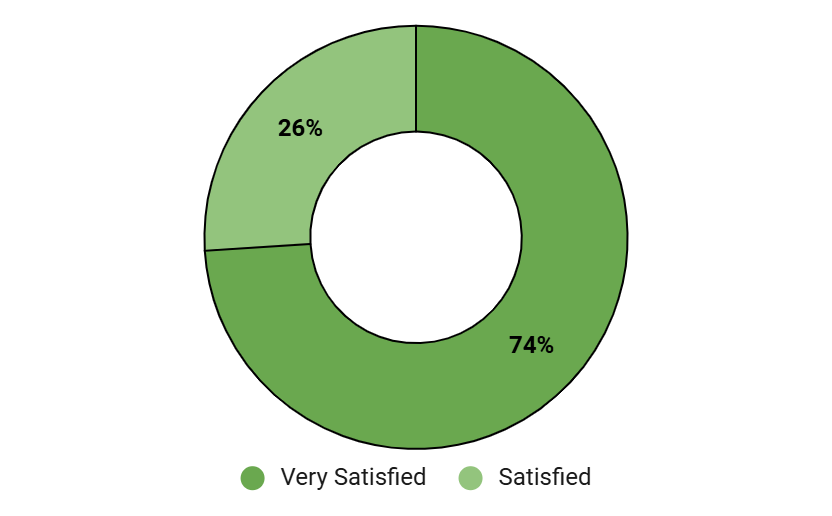
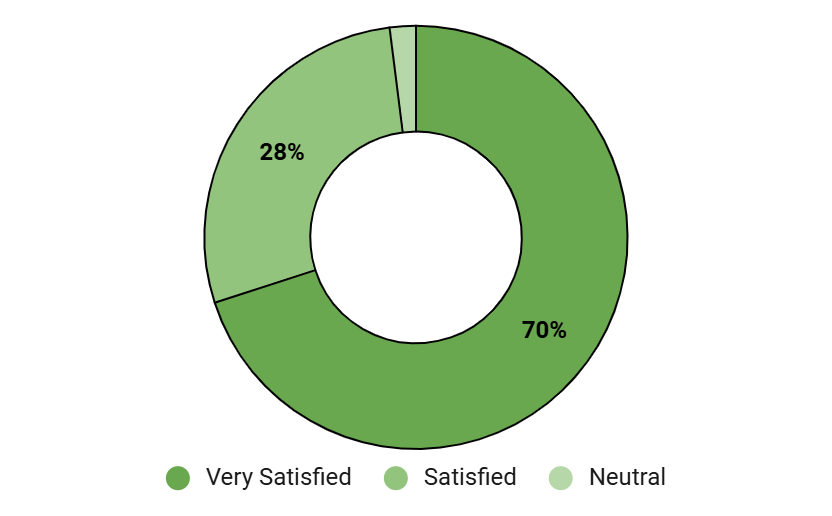
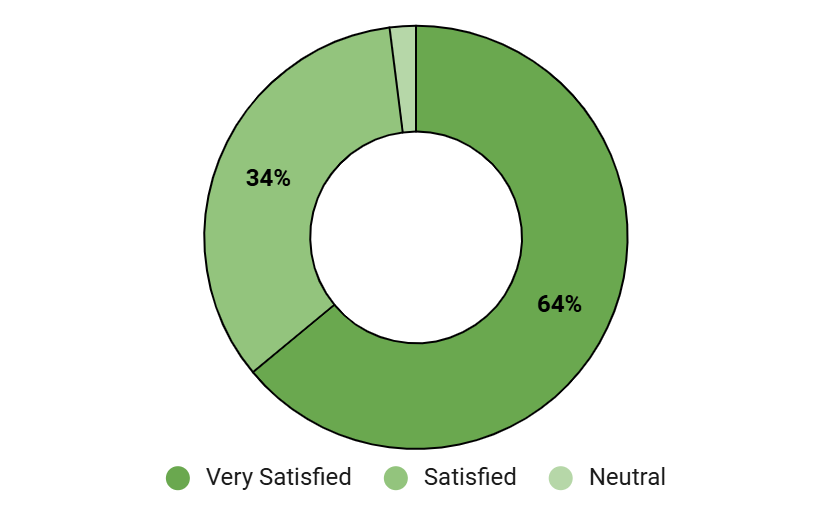
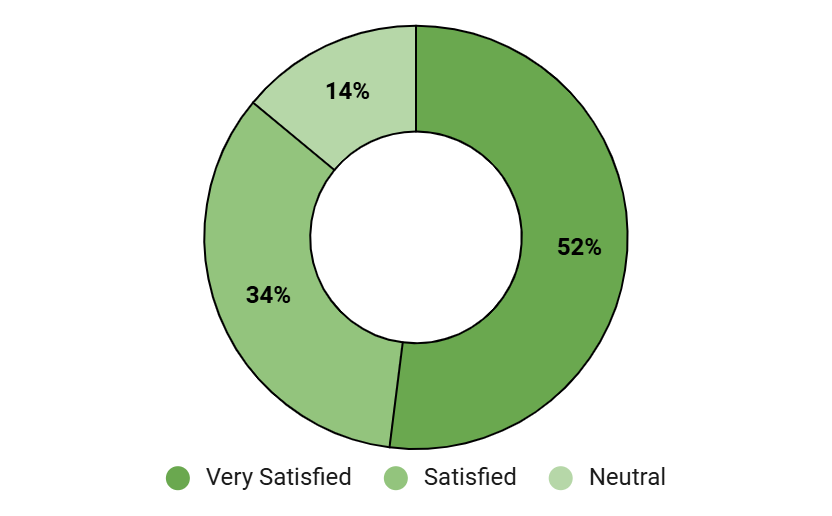
In the 2024/2025 academic year, a total of 50 students participated in the student satisfaction survey, with the survey results summarized as follows.
1. Reliability
How competent are the lecturers, academic staff, and administrators in providing services during the learning process in the 2024/2025 Academic Year?
2. Responsiveness
How willing are the lecturers, academic staff, and administrators to assist students and deliver services promptly in the 2024/2025 Academic Year?
3. Assurance
How capable are the lecturers, academic staff, and administrators in assuring students that the services provided comply with the applicable regulations?

4. Empathy
How willing and attentive are the lecturers, academic staff, and administrators in providing support and care for students during the learning process in the 2024/2025 Academic Year?
5. Tangible
How do students assess the adequacy, accessibility, and quality of facilities and infrastructure in their Study Program, Department, and Faculty?
Student Suggestions and Feedback
Key points from the survey results that require attention for self-evaluation:
- Facilities and Infrastructure
Students appreciate the existing facilities but highlighted the need for improvements and additions, such as expanding parking areas, repairing classrooms (including ceilings, projectors, and elevators), and enhancing the comfort and cleanliness of common areas, including study rooms, the mosque, and classrooms. - Laboratories
The condition of laboratories needs improvement in terms of cleanliness, comfort, and equipment availability. Students also suggested separating master’s laboratories from undergraduate ones, conducting routine equipment checks, and providing clear and visible procedures for using the facilities. - Academic and Administrative Services
Students expect better synchronization of class schedules between SAP and SIMASTER, as well as more responsive communication from lecturers. They also hope for clearer and more efficient administrative processes, with academic staff taking a more active role in facilitating communication when needed. - General Services and Information
While overall services are satisfactory, students feel that response times and access to information could be improved. They suggest having a direct contact for technical issues and clearer updates on administrative matters.
Follow-up Plans
- Provide training for lecturers and administrative staff to deliver excellent services to students, along with regular monitoring and evaluation of their performance.
- Develop standard operating procedures (SOPs) that set clear service timeframes for lecturers, administrative staff, and program managers in assisting students.
- Disseminate the regulations, guidelines, and SOPs of the Study Program, Faculty, and University in a way that is clear and easy for students to understand.
- Encourage academic supervisors to dedicate time for regular meetings with their supervised students.
- Propose to the faculty to provide and upgrade accessible, high-quality facilities and infrastructure to create a comfortable and effective learning environment. This effort is expected to optimally support both academic and non-academic student activities.
2023/2024
In the 2023/2024 academic year, a total of 36 students participated in the student satisfaction survey, with the survey results summarized as follows.
1. Reliability
How competent are the lecturers, academic staff, and administrators in providing services during the learning process in the 2023/2024 Academic Year?
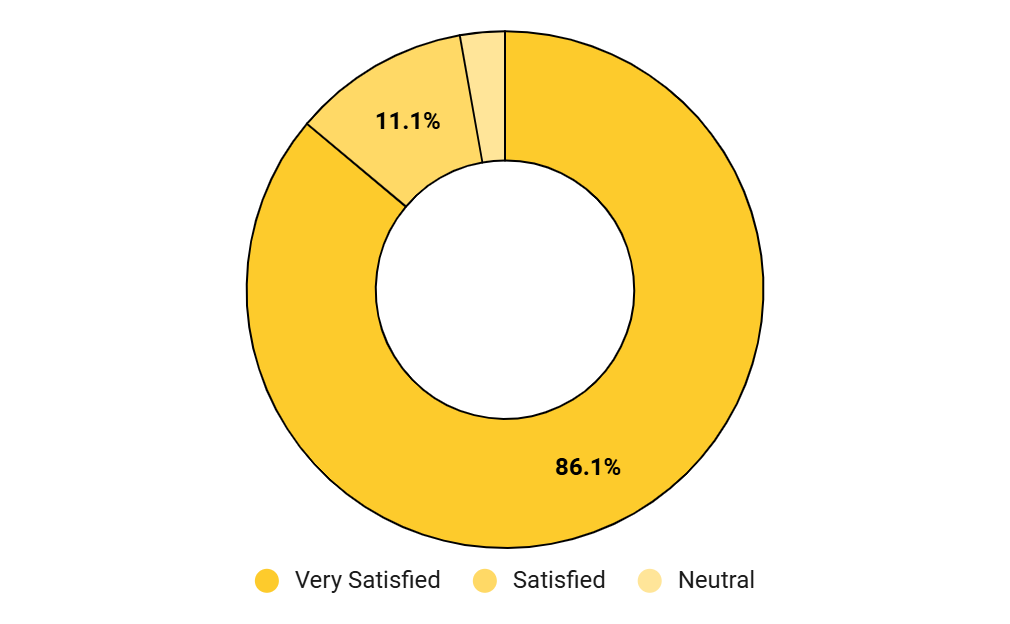
Follow-up Action: Providing training for lecturers and academic staff in charge of study programs to enhance their ability to deliver excellent services to students.
2. Responsiveness
How willing are the lecturers, academic staff, and administrators to assist students and deliver services promptly in the 2023/2024 Academic Year?
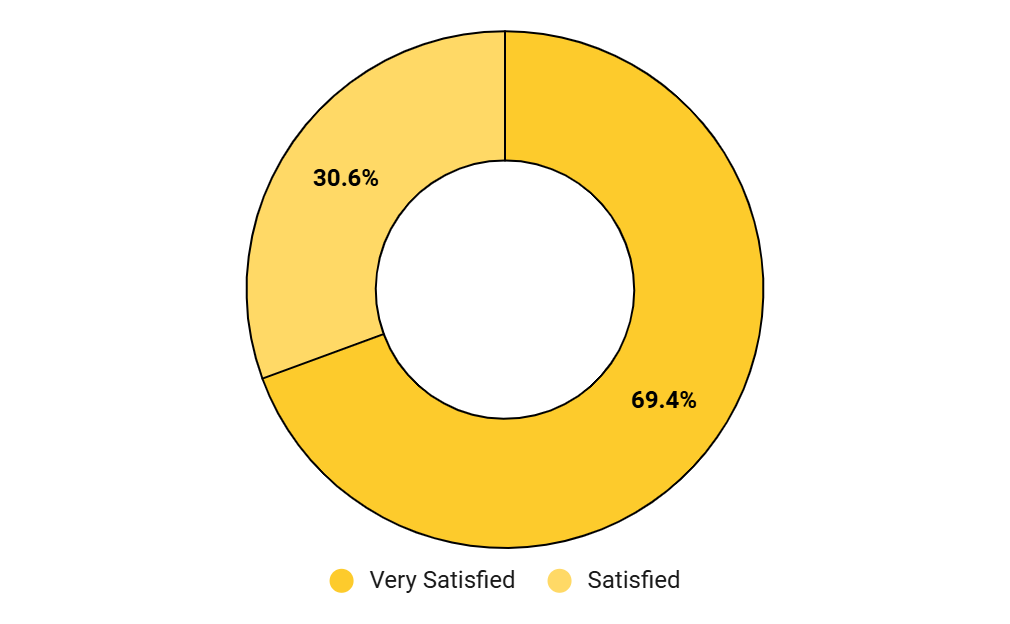
Follow-up Action: The study program management team should establish standardized operating procedures that regulate the service timelines for lecturers, academic staff, and administrators in delivering services to students.
3. Assurance
How capable are the lecturers, academic staff, and administrators in assuring students that the services provided comply with the applicable regulations?
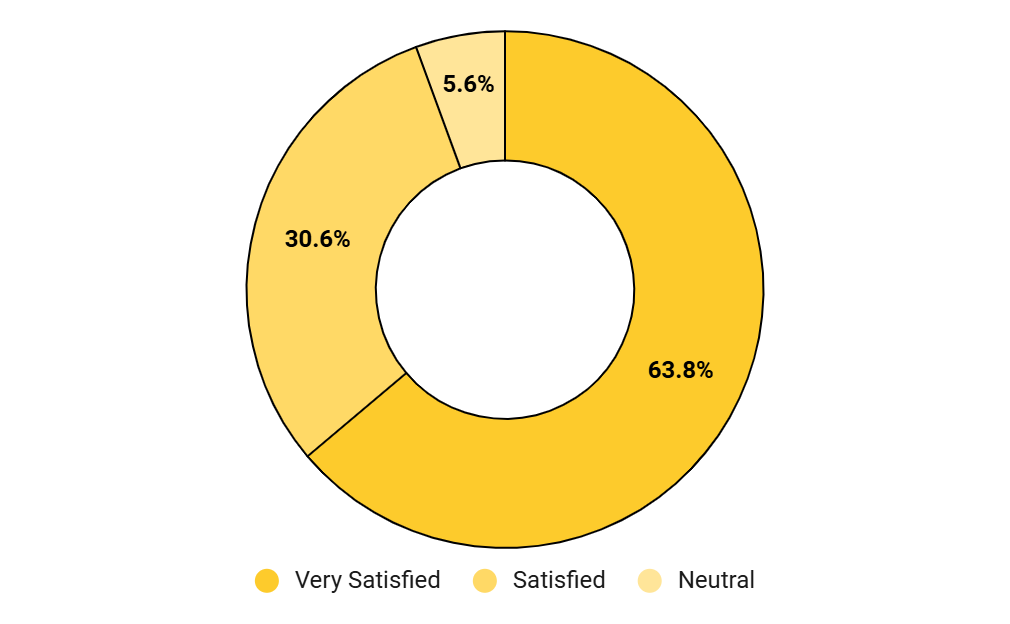
Follow-up Action: Periodically disseminating and reinforcing the regulations of the Study Program, Faculty, and University.
4. Empathy
How willing and attentive are the lecturers, academic staff, and administrators in providing support and care for students during the learning process in the 2023/2024 Academic Year?
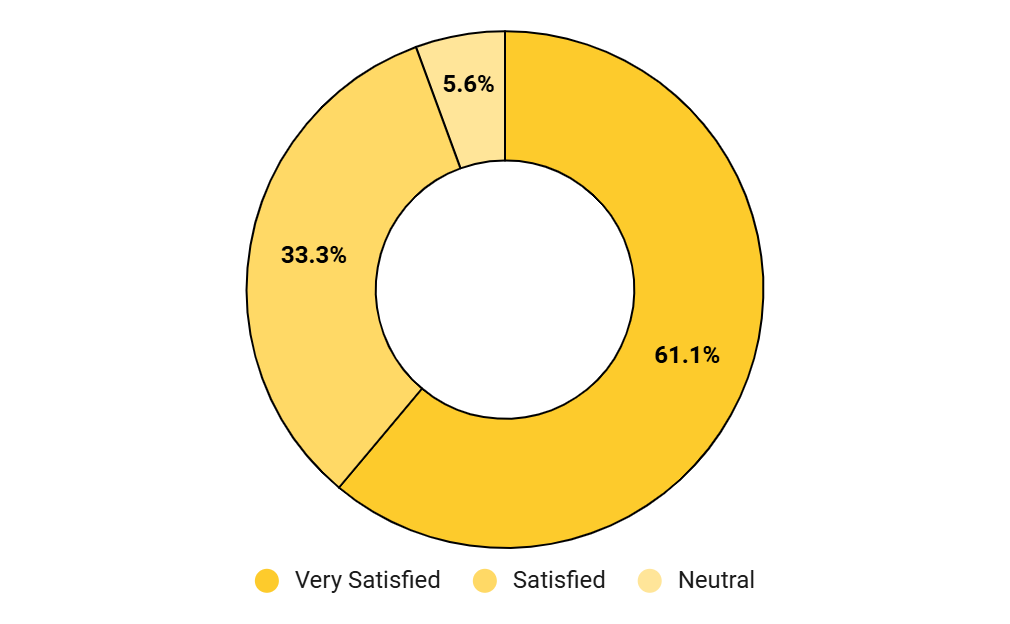
Follow-up Action: The Study Program encourages academic advisors to dedicate time for regular meetings with their advisees.
5. Tangible
How do students assess the adequacy, accessibility, and quality of facilities and infrastructure in their Study Program, Department, and Faculty?
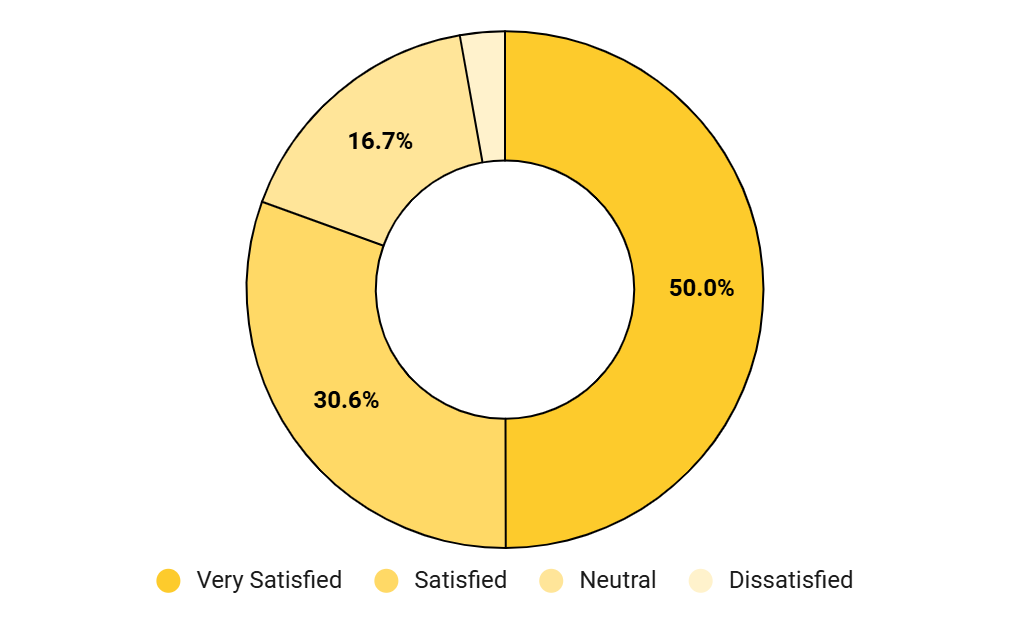
Follow-up Action: Proposing to the faculty to provide adequate and easily accessible facilities and infrastructure to support student activities.
Key points from the survey results for consideration in self-evaluation:
- Teaching Quality: The majority of students expressed satisfaction with the quality of teaching. However, some highlighted the need for improvements in material delivery to make it more interactive and relevant to the latest developments in food science and technology.
- Facility Availability: Laboratory and classroom facilities are generally considered adequate. However, there are requests for equipment upgrades and more flexible access, particularly for research activities.
- Thesis Supervision: Students appreciate the support and guidance provided by their academic advisors. However, some feel that more regular communication and clearer guidance are needed throughout the thesis-writing process.
- Administrative Services: Administrative services have generally received positive feedback. However, some suggestions have been made to streamline bureaucratic processes and provide clearer information regarding academic procedures.
- Academic and Non-Academic Activities: Students hope for more academic activities that involve collaboration with industry, as well as non-academic activities that can enrich their learning experience.