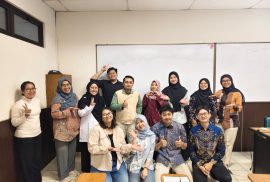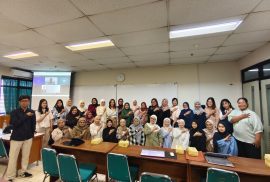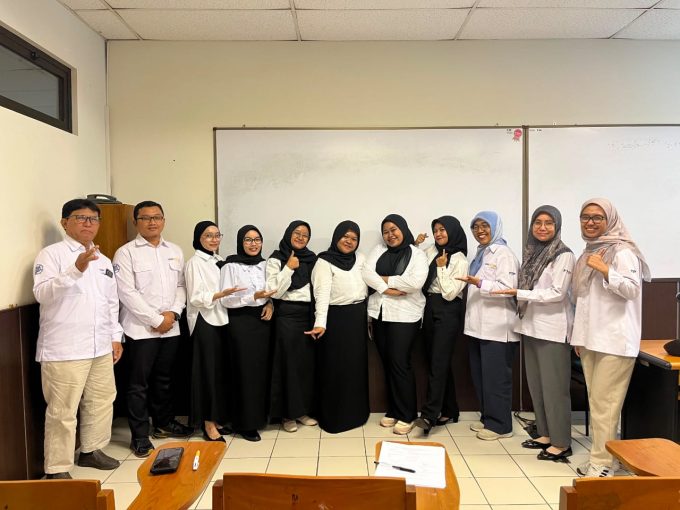
Yogyakarta – A total of 21 students from the 2025 odd-semester intake of the Master’s Program in Food Science and Technology, Universitas Gadjah Mada (MFST UGM), took part in the Thesis Proposal Examinations held on August 10-11, 2026, in Rooms 505 and 514 at the Faculty of Agricultural Technology UGM.
The proposal examination is an important stage before students begin their thesis research. It aims to assess the readiness and feasibility of each research plan while giving students an opportunity to improve their ideas through feedback from reviewers and supervisors.
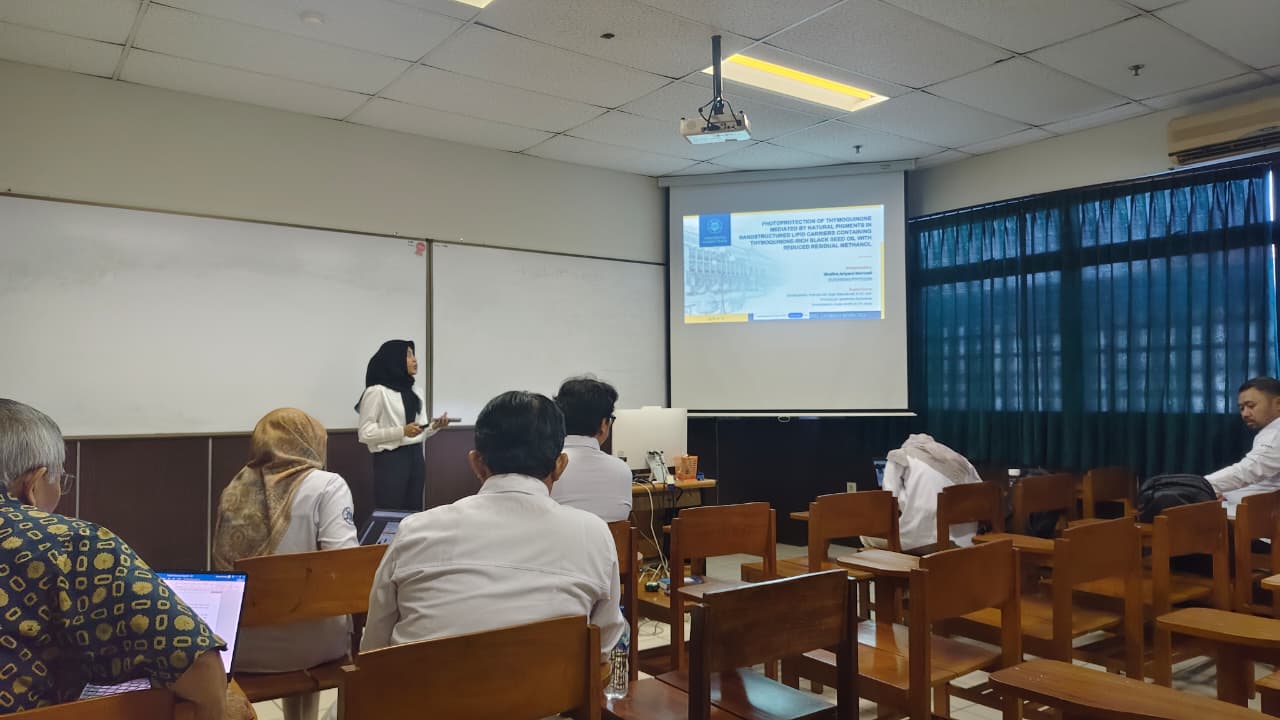 The examinations were held in parallel sessions over two days. In each session, students had up to seven minutes to present their research proposals, followed by a discussion and question-and-answer session with two faculty reviewers and two supervisors. The discussion covered key aspects of the proposed research, including the research problem, novelty, suitability of methods, and feasibility of the research plan.
The reviewers also provided specific feedback based on the focus of each study. Their comments included strengthening the scientific reasoning, improving the clarity of the research design and experimental flow, selecting appropriate treatments, and ensuring that the research conditions were well prepared. Students were encouraged to make sure that every stage of their research was supported by a strong scientific basis and could be carried out effectively.
The proposals presented a wide range of approaches in food science and technology. Several studies focused on functional foods and nutritional improvement, including gluten-free cookies made from jack bean flour, iron fortification of germinated black rice, and the development of emulsion systems and plant proteins to improve food characteristics.
Traditional foods and fermentation were also explored in several studies, including changes in bioactive compounds in naniura, fermentation dynamics in nammong, and the use of sourdough fermentation in gluten-free products. Other research focused on food structure and texture, such as the use of gelled emulsions as fat analogues in vegetarian sausages and hydrocolloid interactions in developing mycoprotein patty texture.
Sustainability was another key theme, particularly in biotechnology and biomass valorization. Several students explored carbohydrate-active enzymes (CAZymes), the use of rice straw to produce prebiotics and biovanillin, and the conversion of lignocellulose into a carbon source for fermentation. Research in food preservation and packaging also included hurdle technology, active packaging, and anthocyanin-based smart films as freshness indicators.
The use of current analytical technologies was also reflected in research on the chemical components of Canephora green coffee beans using NIR and FTIR spectroscopy combined with machine learning. These diverse topics show how student research at MFST UGM ranges from understanding basic scientific mechanisms to applying new technologies to address challenges in food quality, nutrition, sustainability, and innovation.
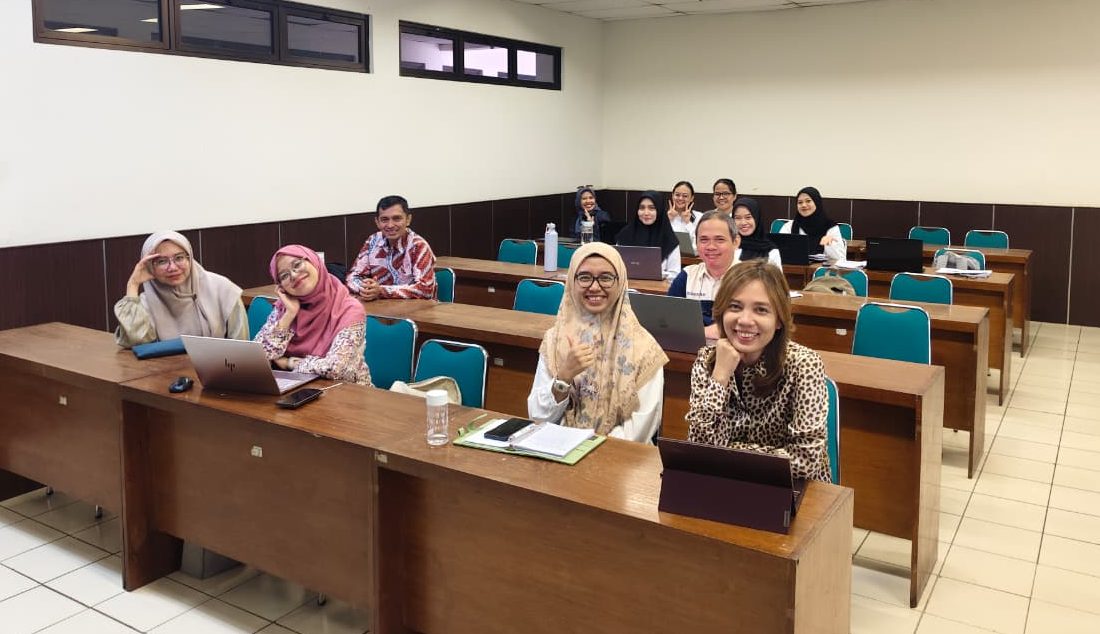 Through discussions with reviewers and supervisors, students were able to view their research plans from different perspectives and identify possible challenges at an early stage. The feedback received is expected to help them improve their proposals before moving forward with their thesis research.
Through this activity, MFST UGM continues to encourage students to develop research that is critical, relevant, and responsive to advances in science and technology, while contributing to the continued development of food science and technology.