Yogyakarta, 30 September 2026 – The Master in Food Science and Technology (MFST), Faculty of Agricultural Technology, Universitas Gadjah Mada, continues to provide comprehensive support to help students navigate and successfully complete their studies. Alongside strengthening academic competencies, research skills, and academic mentoring, MFST also pays attention to students’ personal well-being and mental health as important aspects of success during graduate study.
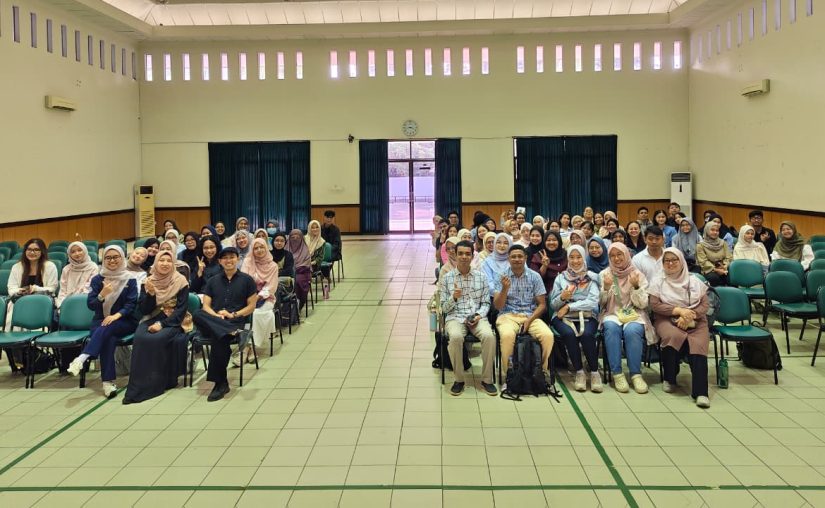
As part of this effort, MFST UGM held a guest lecture entitled “Navigating Expectations and Failure: Maintaining Mental Health amid Academic Pressure” on Wednesday, 30 September 2026, at the Kamarijani-Soenjoto Auditorium, Faculty of Agricultural Technology UGM. The event was compulsory for students of MFST and the Master’s Program in Plantation Product Technology, and was also open to the wider academic community of the Faculty of Agricultural Technology UGM.
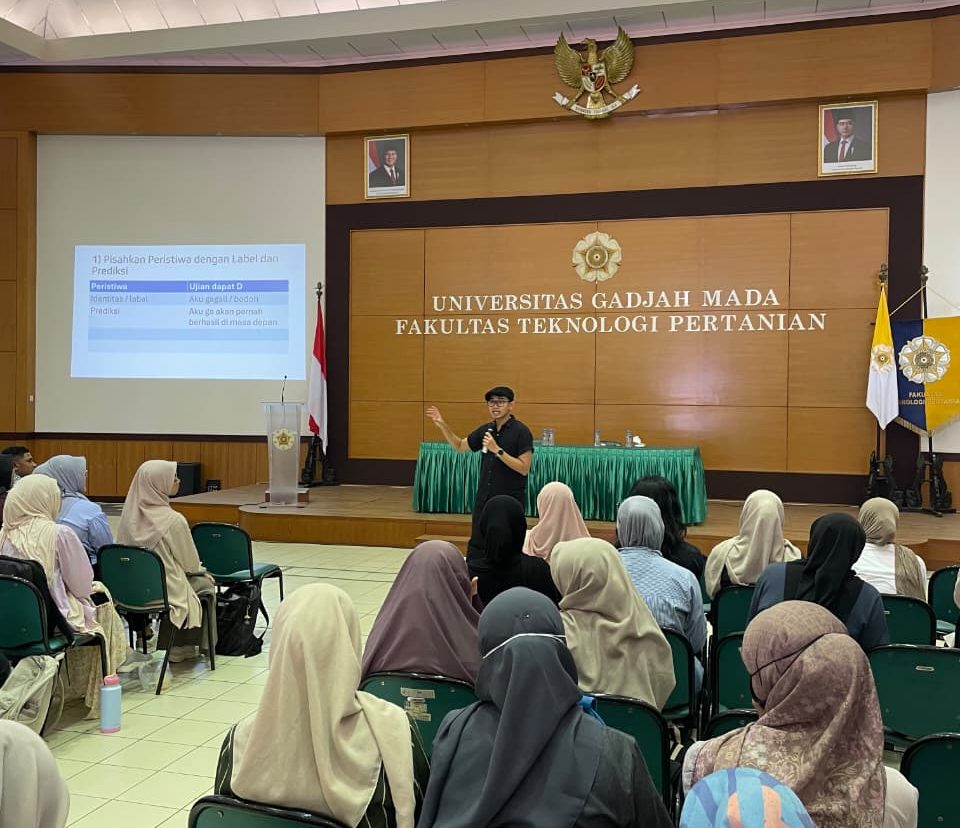 The guest lecture featured Regis Machdy, M.Sc., National Mega Best Selling Author of Loving the Wounded Soul and Co-founder of Pijar Psikologi. Drawing on situations closely related to students’ experiences, Regis invited participants to recognize that an academic journey is not only about constantly being productive and achieving, but also about understanding one’s own condition, adapting, and developing strategies to navigate the various pressures that may arise during study.
In his presentation, Regis discussed a range of sources of academic stress, including examinations, assignments and deadlines, social and family expectations, transitional phases, and financial pressures. When demands continuously exceed the resources available to an individual, this condition may develop into burnout. Burnout may be reflected in mental and emotional exhaustion, growing cynicism or disengagement from study, and a reduced sense of academic efficacy.
One of the key messages was that students should not allow academic achievement to define their entire identity. Regis encouraged participants to distinguish between an event, the label they attach to themselves, and the prediction they make about their future. A disappointing examination result or a setback in an academic process is an event that can be evaluated and learned from; it does not automatically determine a person’s self-worth or future success.
Students were also introduced to practical ways of maintaining mental health throughout their studies. These included maintaining healthy sleep, eating, and physical activity routines; building social support; being willing to talk and ask for help; practising journaling, breathing exercises, and mindfulness; and continuing to make room for activities and identities beyond academic life. Regis also encouraged students to make use of counselling services or professional support when needed.
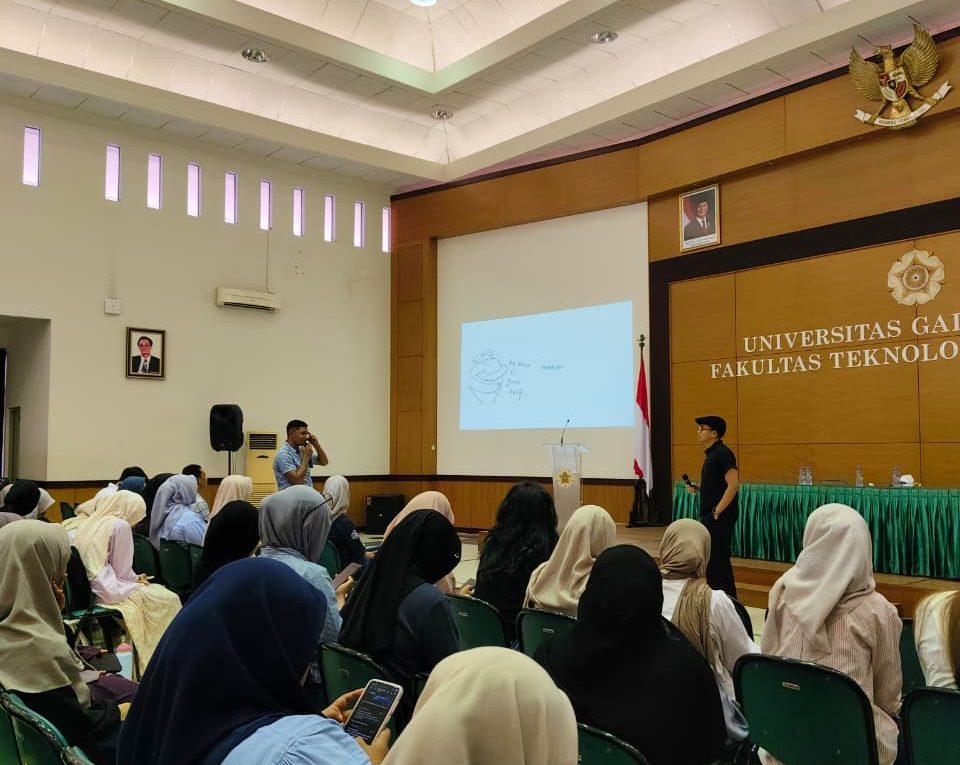 In addition, students were encouraged to develop habits that support gratitude and self-appreciation, reduce unnecessary scrolling and excessive phone use, and practise stress-management strategies consistently. A key message was that mental health needs to be maintained through everyday habits, and meaningful change does not happen instantly.
Through this activity, students are expected to gain greater understanding and practical strategies for navigating the dynamics of graduate study in a healthier way. They are encouraged to recognize signs of stress and burnout, build habits that support both physical and mental well-being, and seek support when facing difficulties. In this way, graduate education is expected not only to strengthen academic and scientific capacity, but also to help students grow into more resilient, adaptive individuals who are able to maintain balance while facing various demands.
This activity contributes to the achievement of the Sustainable Development Goals (SDGs), particularly SDG 3 – Good Health and Well-being, by promoting awareness of and supporting the maintenance of students’ mental health and well-being, and SDG 4 – Quality Education, by fostering a supportive higher education environment that contributes to students’ successful learning.