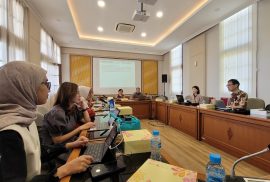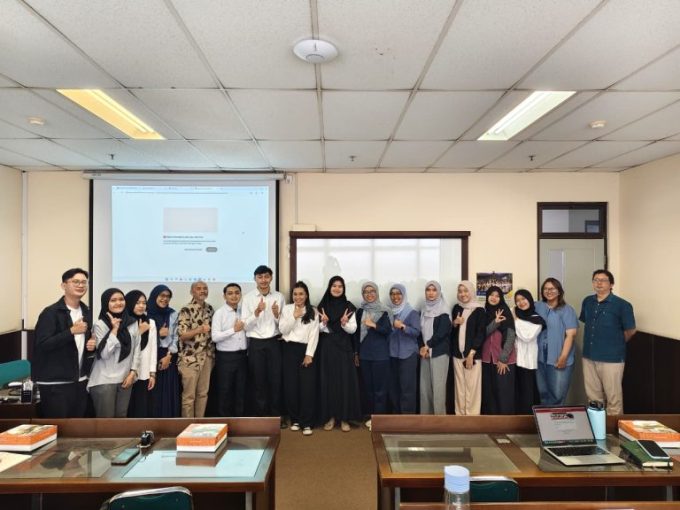
The Master’s Program in Food Science and Technology (MFST) conducted the Thesis Proposal Examination for students from the 2024/2025 even-semester intake on Tuesday-Wednesday, 3-4 February 2026. The activity was held offline in Rooms 504 and 505 of the Faculty of Agricultural Technology, Universitas Gadjah Mada (FTP UGM), and also conducted in a hybrid format through Google Meet to facilitate both in-person and online participation of students and lecturers.
A total of 22 students took part in the proposal examination as an important academic stage before starting their thesis research. This activity aimed to assess the feasibility of the proposed research, ensure students’ readiness to carry out their research, and improve the research design through feedback from supervisors and reviewers.
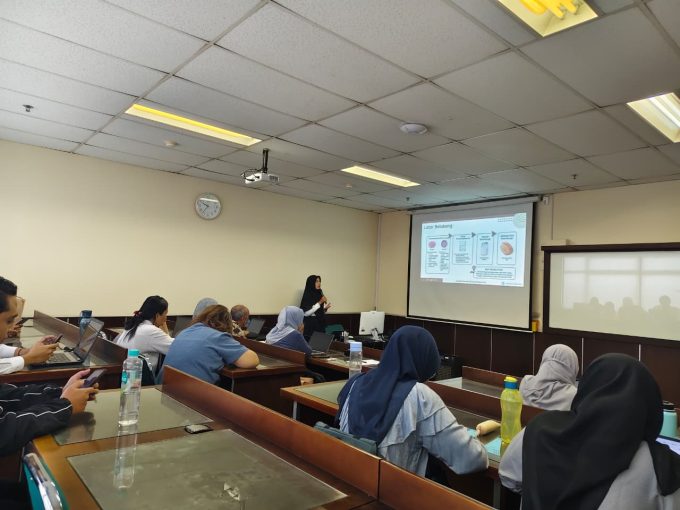 The examination was organized into two parallel classes conducted over two days. On each day, the sessions were held in Room 505 and Room 504 with a balanced distribution of participants. Each student was examined by two reviewers and supervised by two academic advisors. In some cases, the supervisory team also included advisors from outside the Faculty of Agricultural Technology or from international institutions.
During the examination, each student was given a total of 30 minutes, consisting of a proposal presentation of up to seven minutes, followed by a discussion and question-and-answer session with the reviewers and supervisors. This format provided students with the opportunity to receive comprehensive evaluation on various aspects of their proposed research, including research novelty, appropriateness of methodology, strength of theoretical background, and feasibility of the planned research.
In general, most proposals were considered feasible to proceed with several revisions. The reviewers provided various constructive suggestions, including refining the research problem statements and titles to make them more focused and scientifically precise, strengthening the theoretical framework and research novelty, and improving the methodology as well as the justification of the selected research parameters. Students were also encouraged to ensure clear connections between research variables so that the results would not only be descriptive but also able to explain the underlying scientific mechanisms of the studied phenomena.
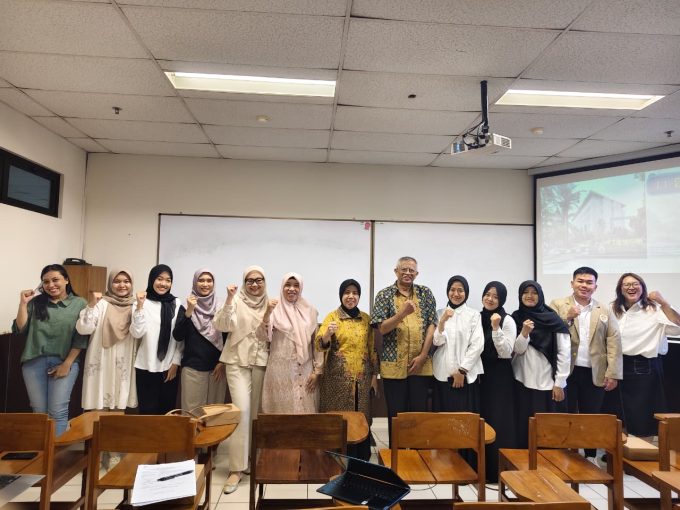 In addition, the reviewers also paid attention to the technical readiness of the research implementation, including experimental planning, control of research variables, and time management, especially for students conducting research abroad. Several proposals received positive appreciation, as their topics were considered relevant, applicable, and potentially contributing to the advancement of food science and technology.
Through this thesis proposal examination, the Master’s Program in Food Science and Technology continues to demonstrate its commitment to ensuring students’ academic readiness before entering the research stage. This activity is expected to help students develop more well-prepared, systematic, and high-quality research plans, so that the thesis research process can be carried out effectively and completed on time.