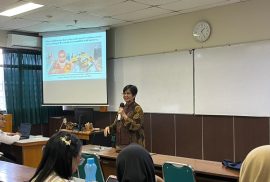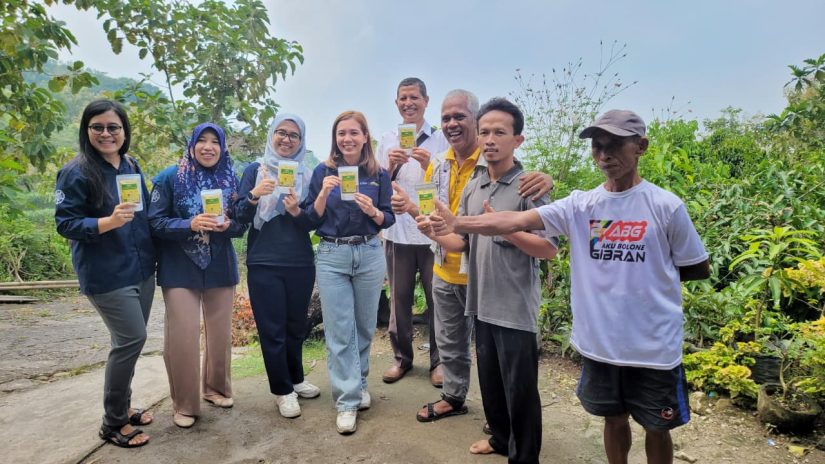
Connecting research, community service, and postgraduate learning requires one important step: going directly to the field. This was the approach taken by the Master’s Program in Food Science and Technology (MFST), Universitas Gadjah Mada, during a field survey conducted on Wednesday, April 8, 2026, in Gunung Gambar, Gunungkidul, as part of preparations for a research-based community service program focused on robusta coffee.
The activity took place in Padukuhan Gunung Gambar, Kapanewon Ngawen, Gunungkidul Regency, with the team led by Dr. Widiastuti Setyaningsih, S.T.P., M.Sc., Head of the MFST Study Program. The team also involved lecturers from different fields of expertise from the Faculty of Agricultural Technology and the Faculty of Agriculture UGM, namely Dr.rer.nat. Lucia Dhiantika Witasari, S.Farm., Apt., M.Biotech., Dr. Rachma Wikandari, S.T.P., M.Biotech., Ph.D., Dr. Qurrotul A’yun, S.T.P., M.Sc., Dr. Jumeri, S.T.P., M.Si., and Ir. Supriyanta, M.P. This activity marked the initial stage in designing a community service program that is also planned to involve Master’s students in Food Science and Technology in the future.
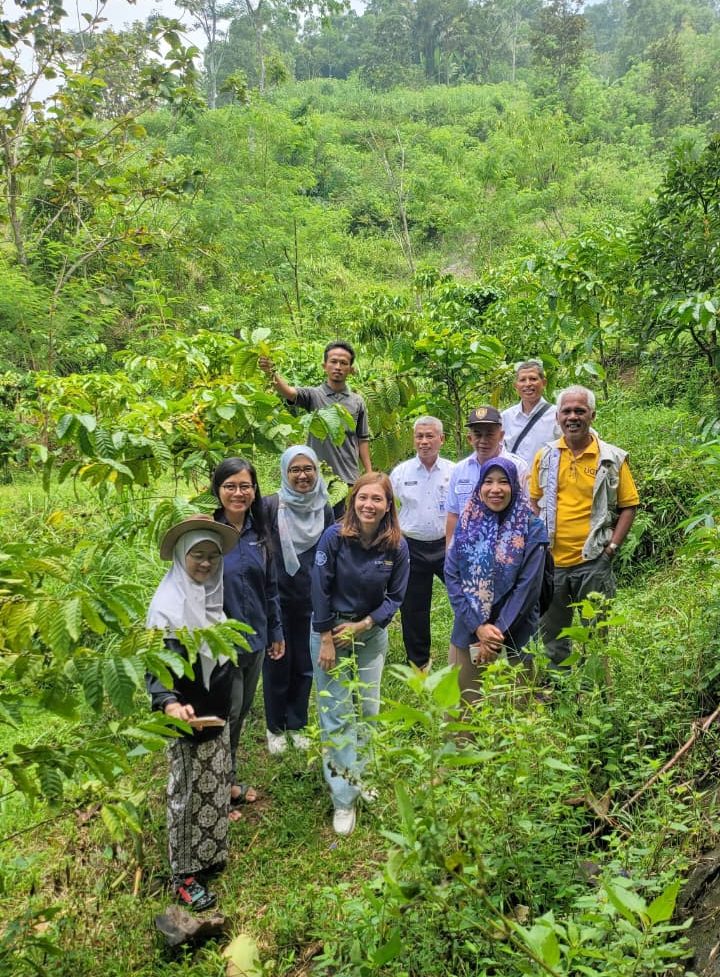 Gunung Gambar is known as one of the areas with promising potential for robusta coffee development. However, through field observations and discussions with local residents, the team found that the main challenges lie not only in cultivation, but also in postharvest handling, especially drying and quality control. Variations in these processes may lead to uneven moisture content, a higher proportion of defective beans such as immature or quaker beans, and inconsistent quality across production batches.
The survey also became a productive space for dialogue between the academic team and local community leaders. Those present included respected community elders and local Hindu leaders, the Secretary of Kapanewon Ngawen, the Head of the Food Crop Farmers Group, as well as the Head of the neighborhood association, who also serves as the leader of the young coffee farmers group. Discussions with these local figures provided a more comprehensive understanding of the social and institutional conditions, as well as the potential for community collaboration in developing local coffee.
For the MFST UGM team, this activity was an important first step in designing a community service program based on applied research. The approach does not focus only on technology transfer, but also on translating research findings into solutions that are simple, relevant, and practical for the community. By understanding the actual conditions in the field, the program is expected to respond more effectively to the needs of partners, especially in strengthening the postharvest system and improving the quality of robusta coffee.
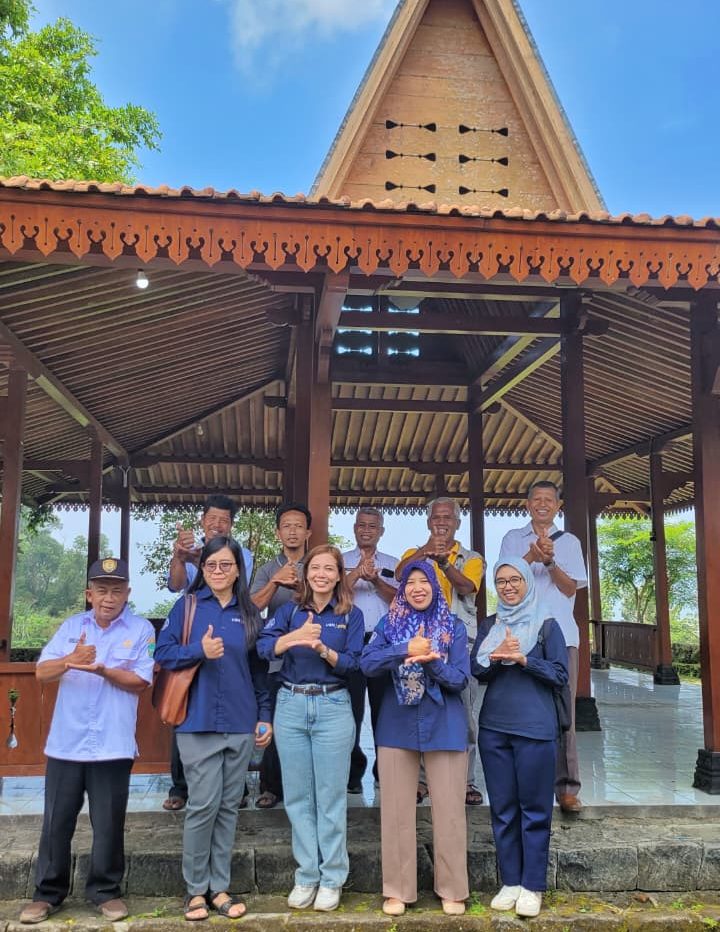 More broadly, the activity was also designed as part of contextual learning for postgraduate students. Students will not only be involved in the implementation stage, but will also learn how programs are designed based on the identification of real problems in the field. This reflects the integration of the Tri Dharma of Higher Education, in which research, education, and community service do not stand separately, but are closely connected and strengthen one another.
Through this survey activity, MFST UGM reaffirms its commitment to developing community service programs that are needs-based, research-based, and built through collaboration with local communities. The support and openness of the people of Gunung Gambar provide an important foundation for building a sustainable program with real impact.
In the future, the program is expected not only to improve the quality of local robusta coffee, but also to become a model for postgraduate learning that is more contextual, adaptive, and relevant to real community needs.